

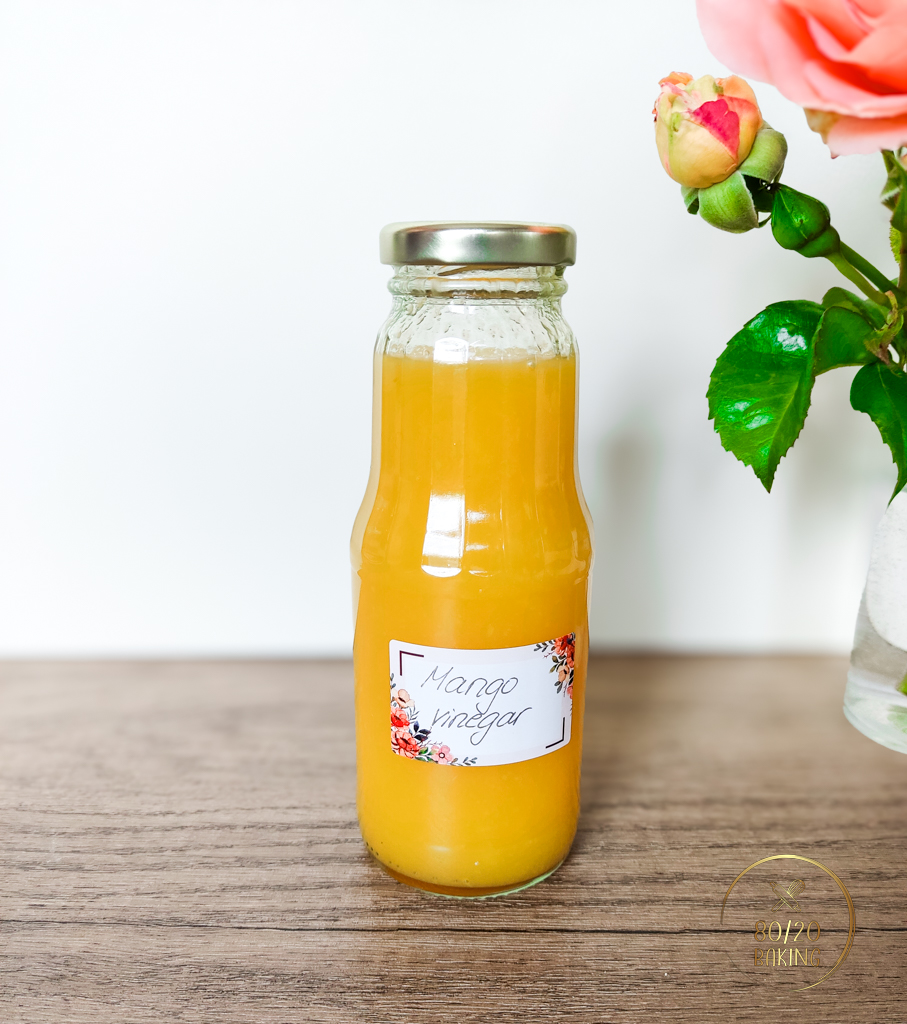
If you love preserving seasonal fruit and creating unique homemade pantry staples, this homemade mango vinegar recipe deserves a place in your kitchen. Combining the natural sweetness and tropical flavor of ripe mangoes with the bright acidity of vinegar creates a versatile condiment that works beautifully in both sweet and savory dishes.
Mango vinegar is fruity, lightly sweet, slightly tangy, and packed with fresh mango flavor. Unlike store-bought flavored vinegars that can sometimes taste artificial or overly acidic, homemade mango vinegar offers a balanced flavor that highlights the fruit while keeping the refreshing acidity that makes vinegar so useful in cooking.
This easy mango vinegar recipe uses simple ingredients and comes together with minimal effort, making it a great project for preserving extra mangoes or experimenting with homemade flavored vinegars.
Whether you use it for salad dressings, marinades, sauces, or creative drinks, this homemade fruit vinegar adds brightness and tropical flavor to countless recipes.
Why You Will Love This Homemade Mango Vinegar
There are many reasons to make your own mango-infused vinegar at home:
- Easy to prepare with only a few ingredients
- Uses fresh mangoes to create intense fruit flavor
- Perfect for preserving ripe mangoes
- Works in sweet and savory recipes
- Can be stored for long periods
- Makes beautiful homemade gifts
- Adds a tropical twist to everyday cooking
The combination of fruit and acidity creates something incredibly versatile that can instantly elevate simple dishes.
What Does Mango Vinegar Taste Like?
Homemade mango vinegar has a unique flavor profile that combines:
- Fruity mango sweetness
- Bright acidic notes
- Mild natural sweetness from honey
- Slightly tropical aroma
- Balanced tanginess
The result is not overly sweet and not overly sharp. Instead, it creates a smooth fruity vinegar with enough acidity for cooking while maintaining the recognizable taste of fresh mango.
The exact flavor depends on the mango variety you use. Sweeter mangoes create softer fruit notes, while slightly tart mangoes produce a brighter vinegar.
Ingredients Explained
Mango Puree
Fresh mango puree forms the base of this recipe and provides the characteristic flavor, aroma, and natural sweetness.
Using ripe mangoes creates the best results because ripe fruit provides:
- More natural sugars
- Stronger mango aroma
- Smoother texture
- Better overall flavor
Very fibrous mango varieties may create a thicker consistency, while smoother varieties create a cleaner finished vinegar.
Honey
A small amount of honey enhances the fruit flavor without overpowering it.
Honey helps:
- Balance acidity
- Enhance sweetness naturally
- Add complexity
- Support the fruit flavor
You only need a small amount since the mango itself already provides plenty of sweetness.
Vinegar
Apple cider vinegar works exceptionally well because its fruity profile complements mango naturally.
You can also use white wine vinegar if you prefer a cleaner, lighter flavor.
Both options produce excellent results:
Apple cider vinegar
- Fruity flavor
- Slight sweetness
- Richer finish
White wine vinegar
- Lighter taste
- Cleaner acidity
- More delicate flavor
Ways To Use Mango Vinegar
One of the best things about homemade mango vinegar is how versatile it is.
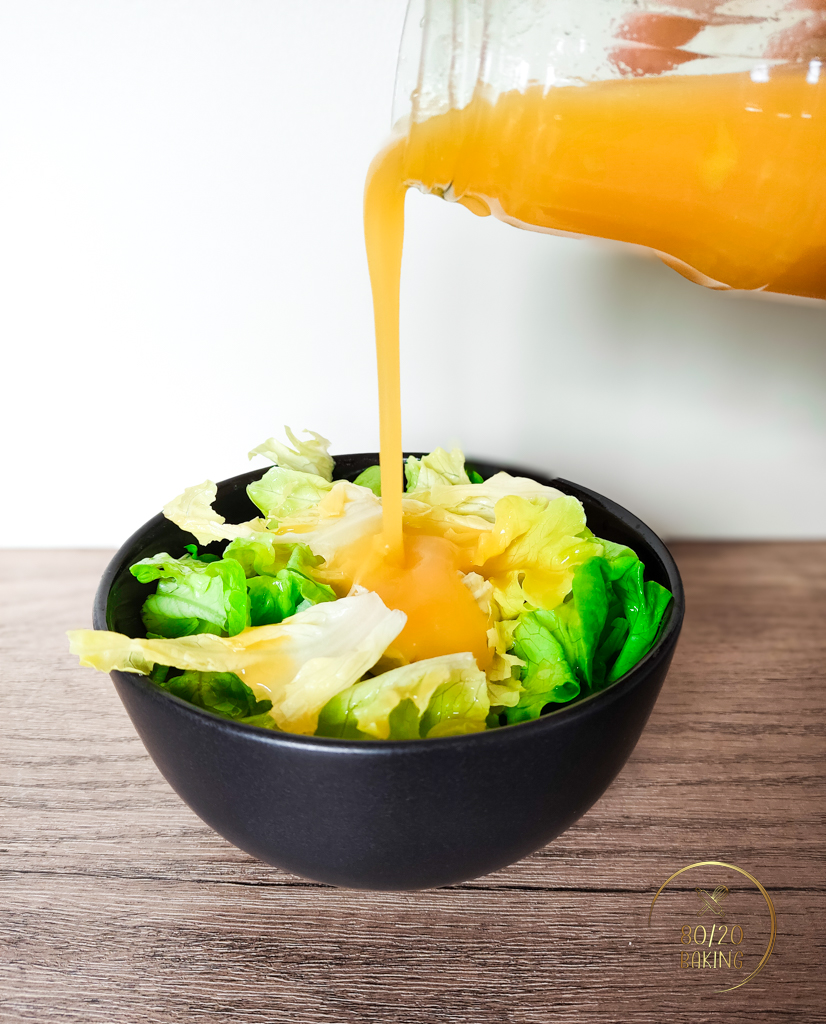
Salad Dressings
Use mango vinegar to create tropical vinaigrettes for:
- Green salads
- Grain bowls
- Fruit salads
- Cabbage slaws
Mix it with olive oil, mustard, herbs, or spices for an easy homemade dressing.
Marinades
The acidity works beautifully in marinades.
Try using mango vinegar with:
- Chicken
- Fish
- Shrimp
- Tofu
- Vegetables
It adds brightness while helping tenderize proteins.
Sauces And Glazes
Mango vinegar can add acidity and fruitiness to:
- Stir fry sauces
- BBQ sauces
- Glazes
- Chutneys
- Dipping sauces
Drinks And Mocktails
A splash of fruit vinegar can create refreshing beverages.
Try adding it to:
- Sparkling water
- Lemonade
- Mocktails
- Shrubs
- Fruit spritzers
Finishing Ingredient
Use small amounts as a finishing touch on:
- Roasted vegetables
- Rice bowls
- Grilled foods
- Fresh fruit
- Cheese boards
Storage And Shelf Life
One of the biggest advantages of homemade mango vinegar is its long storage life.
You can store it:
- In the refrigerator for extended freshness
- Properly canned for room temperature storage
- In sterilized bottles for convenient everyday use
Keeping it refrigerated after opening helps preserve flavor for the longest period.
Because vinegar is naturally acidic, it remains stable for long periods when stored correctly.
Tips For The Best Mango Vinegar
For the best homemade mango vinegar, keep these tips in mind:
Use Ripe Mangoes
Ripe mangoes provide stronger flavor and natural sweetness.
Avoid Overcooking
Only briefly heating the mango mixture helps preserve fresh fruit flavor.
Use Quality Vinegar
Since vinegar makes up a large portion of the recipe, using good-quality vinegar noticeably improves results.
Strain For Smoother Texture
If you prefer a thinner vinegar, strain the mixture before bottling.
Frequently Asked Questions
Can I use frozen mango?
Yes. Frozen mango works well as long as it is thawed before blending.
Can I use different vinegars?
Yes. Apple cider vinegar and white wine vinegar work particularly well, but other mild vinegars may also work.
Does mango vinegar need refrigeration?
Not necessarily. Properly canned mango vinegar can be stored at room temperature. Otherwise, refrigeration helps maximize freshness and storage life.
How long does homemade mango vinegar last?
Because of the acidity, mango vinegar keeps for a long time when stored correctly. Refrigeration further extends freshness.
Can I reduce the honey?
Yes. The honey primarily supports flavor balance, so small adjustments are possible.
Is mango vinegar sweet?
It is usually mildly sweet but primarily tangy and fruity rather than sugary.
Final Thoughts
Homemade mango vinegar is one of those simple kitchen projects that delivers surprisingly versatile results. With just a few ingredients, you create a flavorful fruit vinegar that works in dressings, marinades, sauces, beverages, and everyday cooking.
The combination of sweet mango and bright acidity creates something unique, refreshing, and incredibly useful to keep in your pantry.
Once you start making homemade fruit vinegars, mango vinegar may quickly become one of your favorites.
If you are searching for some more ways to use up your mangoes, try my Mango Chicken Curry, or Mango Chia Yogurt.

Homemade Mango Vinegar
Ingredients
Instructions
-
- Peel and roughly chop ripe mangoes, then blend them into a smooth puree. Measure out about 250 g of mango puree.
- Add the mango puree to a saucepan together with 1 tablespoon of honey. Heat gently for a few minutes while stirring occasionally. Avoid boiling for too long, as you want to preserve the fresh mango flavor.
- Remove from heat and allow the mixture to cool slightly.
- Add 250 ml of apple cider vinegar (or white wine vinegar) and stir until fully combined.
- Pour the mango vinegar into clean sterilized bottles or jars.
- Store in the refrigerator for long-term storage or process using proper canning methods if you want shelf-stable storage at room temperature.
- Use your homemade mango vinegar in dressings, marinades, sauces, drinks, or anywhere you want a fruity tropical twist.
